

𝐌𝐢𝐧𝐢𝐬𝐭𝐫𝐲 𝐢𝐧𝐟𝐨𝐫𝐦𝐬 𝐭𝐡𝐞 𝐩𝐮𝐛𝐥𝐢𝐜 𝐨𝐟 𝐭𝐡𝐞 𝐧𝐞𝐞𝐝 𝐭𝐨 𝐜𝐨𝐧𝐭𝐢𝐧𝐮𝐞 𝐰𝐚𝐭𝐞𝐫 𝐜𝐨𝐧𝐬𝐞𝐫𝐯𝐚𝐭𝐢𝐨𝐧 𝐦𝐞𝐚𝐬𝐮𝐫𝐞𝐬 𝐢𝐧 𝐭𝐡𝐞 𝐰𝐞𝐭 𝐬𝐞𝐚𝐬𝐨𝐧
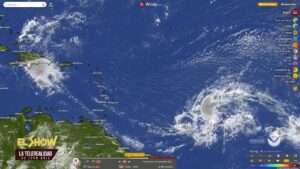
While the traditional wet season began in June, the confirmation of an evolving strong el niño event for the region is cause for concern, as a consecutive drier than normal wet season may occur. This can delay a return to normal base flows in our rivers and streams and thus compound the water supply situation.
In light of these conditions, we encourage the public to be mindful about water use. Store potable water and preserve it for as long as possible. Increase the use of harvested rainwater for non potable water activities. This includes, among others:
Repiping households, businesses and institutions to use rainwater as an alternate water source for flushing toilets
Using rainwater for laundry services
Washing vehicles with rainwater
Increasing the use of rainwater in gardens/farms