

Rice Farming Traditions Endure In Central And South Trinidad
For generations, rice fields in Central and South Trinidad were cultivated by East Indian immigrants who brought centuries-old agricultural traditions to the Caribbean.
Many arrived from farming communities in India where rice cultivation was central to everyday life.
After indentureship on the sugar plantations, they established small farms in rural districts such as Debe, Penal, Barrackpore, Rio Claro and Caroni.
Today, some families in these communities continue to preserve those traditions.
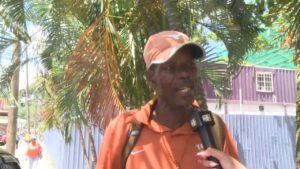
Chairman of the Penal/Debe Regional Corporation and former rice farmer Gowtam Maharaj noted that rice farming traditions can still be found at the Poodai Lagoon and at Bunsee Trace.
« These lands, these areas were rejected lands. They were bad lands. They were considered waterlogged and of no value but the advent of the East Indians saw something in it that they can survive and then they can succeed also. So these areas which someone would point and say that’s a delqui, that is where water collects, they saw value in being able to propagate rice. So the rice seeds at that time, the Bia, they used to scatter it in a small area and then you pull it out, you tie it in atya and you go and you plant it in the lagoon and then they would cut it and they would beat it, as I shared just now, using the lathi, using the wheel tractor thereafter, and they would have this rice and put it home in a rice box. »
As Mr. Maharaj explains, harvesting rice was a major community activity.
« This is how they sometimes also maintain brotherhood because other persons in the community in the village may not have and they may barter also even in communities further away. There were people that I knew that took rice from here and walked to areas such as such as San Fernando and Rio Claro and they would share, they would barter and come back. So this was really the sustenance of the communities. This is a very important bedrock principle here. »
Changes in land use, urban development, rising production costs and competition from imported rice brands significantly reduced local cultivation.
Mr. Maharaj said as younger generations moved away from farming in pursuit of other careers, they also left behind fields that once thrived, allowing them to wither.
« People migrated towards the cities, people became more urbanised in their vision in terms of their dreams and aspirations. Children went off to tertiary education and some of these lands remained abandoned. But now we are seeing a revival of some of these areas where people who have maintained with that love for agriculture are still planting. As you can see here, rice is being planted in this Poodai lagoon. Rice is still being planted in Barrackpore, in Cunjal and I assume in some areas, in Kernahan in terms of Mayaro where a lot of these farmers also went there and planted and brought back that rice here. »
According to Mr. Maharaj, preserving rice production is about honouring the sacrifices of the early Indian immigrants who transformed swampy lands into productive farms despite immense hardship.
« Where the East Indians having received these lands or having been settling in these lands and it was of no value, took these lands like that proverbial grain of sand that over time with the right environment becomes a pearl, created a pearl out of this. Many of our professionals came out of these homes that where this is the practice would have been for decades. »
For those still planting, harvesting and preserving the ancient practice, every grain of rice carries with it a story of resilience, survival and legacy.