

TTDRM Conference Highlights Link Between Sustainability And Disaster Preparedness
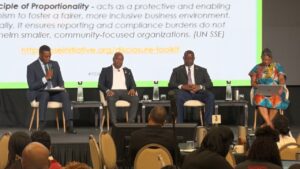
From household habits to national disaster planning, experts at Day 2 of the Trinidad and Tobago Disaster Risk Management Conference & Expo at Hyatt Regency are urging a shift in thinking, linking sustainable living and business practices directly to managing risks before disasters strike.
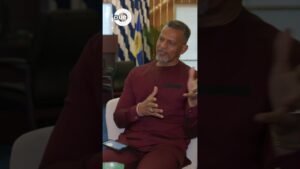
Sustainability Planner Petal Joseph Roberts described the business case for sustainability, underscoring that personal responsibility is consistent across all aspects of life.
« Sustainable living starts at home. It’s our individual choices, and how you move at home is how you move through the world. You’re not a different person at work than you are at home. »
She explained that sustainable practices can improve cost efficiency, HR practices, customer base growth and funding opportunities.
« Why does it pay to be sustainable? It lowers operational costs, it attracts talent, it increases your brand loyalty, and of course, there’s the compliance advantage for any international funding that you may be seeking. Sustainability is not about extra work, it is about smarter work. »
She added that sustainability is a complicated relationship system that requires a methodical approach.
« It is not a hierarchy, it’s an interweb of cyclical relationships, and some of these cyclical relationships have feedback loops, positive and negative. So it’s a very intricate and complex matter when you look at something from a sustainability lens, and that is why it is most useful and appropriate to think of sustainability from a systems-thinking approach. »
Waste management expert Louis Trotman said sustainability also involves assessing potential waste streams and quantities before a disaster occurs.
« To find out pre-impact what can we expect post-impact so we can plan for it within reason of course the other thing to do as mentioned before is those temporary storage sites those are key these things would not be able to be processed in your regular landfill or wherever you do hazardous waste generally in the Caribbean that’s done on the landfill site itself when you have a large amount of commingled waste some of it hazardous that’s not going to be possible so we need to pre-select those sites which have those considerations in mind. »
The discussions shaped Day 2 of the TTDRM event, which emphasised a key shift in approach, moving from simply responding to disasters to actively building resilience by managing risks before disasters occur.