

BOOSTing Agriculture in CARICOM | Arisa Denis
🌱 From Vision to Impact: Arisa Denis Expands Sustainable Farming in Saint Lucia with CARICOM BOOST
“BOOST will help elevate my agribusiness by contributing to a more resilient and sustainable agricultural sector in Saint Lucia.”
– ARISA DENIS, AGRIBUSINESS OWNER AND MANAGER OF PURE HYDRO FARMS, SAINT LUCIA
A resilient agri-food system is at the heart of CARICOM’s vision for the future. As the Region continues to experience increasing climate-related challenges, the CARICOM Secretariat, supported by the Government of New Zealand, has launched the CARICOM BOOST: Women and Youth in Agriculture Project, a transformative initiative designed to strengthen food security and empower the next generation of agricultural leaders across Member States.
This bold project is strategically aligned with CARICOM’s goal of reducing the Region’s Food Import Bill by 25% by 2030, while enhancing the capacity of women and youth in agribusiness.
Spotlight: Arisa Denis, Saint Lucia
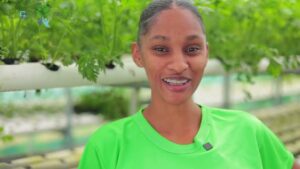
A key part of the Project in Saint Lucia is Arisa Denis, agribusiness owner and manager of Pure Hydro Farms. Her farm produces fresh, high-quality crops using sustainable, soil-less methods, and with BOOST, she is broadening her vision.
“Through BOOST, I will be expanding Pure Hydro Farms, improving production efficiency and focusing on a new high-demand crop. With this expansion, I will be creating opportunities for growth, skills development and employment opportunities for young people and women in Agriculture,” stated Arisa.
Her passion for innovation and community impact shines through:
“I am absolutely thrilled to be part of the BOOST project because it actively supports women and youth in Agriculture. BOOST not only focuses on funding your business, but they also provide technical support and opportunities for growth. It builds stronger systems and long-term support,” she added.
Her vision is clear:
“Overall, BOOST will help elevate my agribusiness by contributing to a more resilient and sustainable agricultural sector in Saint Lucia.”